A Company Building Better, Cheaper Lithium Batteries for an Electrified Future
A Company Building Better, Cheaper Lithium Batteries for an Electrified Future

LI-Metal Corp. (CSE: LIM; OTCQB: LIMFF)
The story at a glance:
-
Huge lithium battery demand: Experts predict 961 percent growth in EV demand by 2040
-
Next-gen batteries are the future: Lithium-ion batteries are outclassed by superior lithium anode batteries—but new production methods and supply chains are needed
-
Cheaper, better, safer, greener batteries: Li-Metal has developed production methods to create next-gen batteries with greater energy density at lower cost
-
More lithium, less waste: Li-Metal has also developed novel methods to produce lithium metal with far less off-gas waste, meaning greater sustainability, less raw material needed, and a better bottom line for battery manufacturers
LEARN MORE ABOUT THE COMPANY HERE
Lithium batteries are essential, but current technology is outdated.
Lithium batteries are essential to global electrification. Nowhere is this demand more pronounced than in the growing electric vehicle (EV) market.
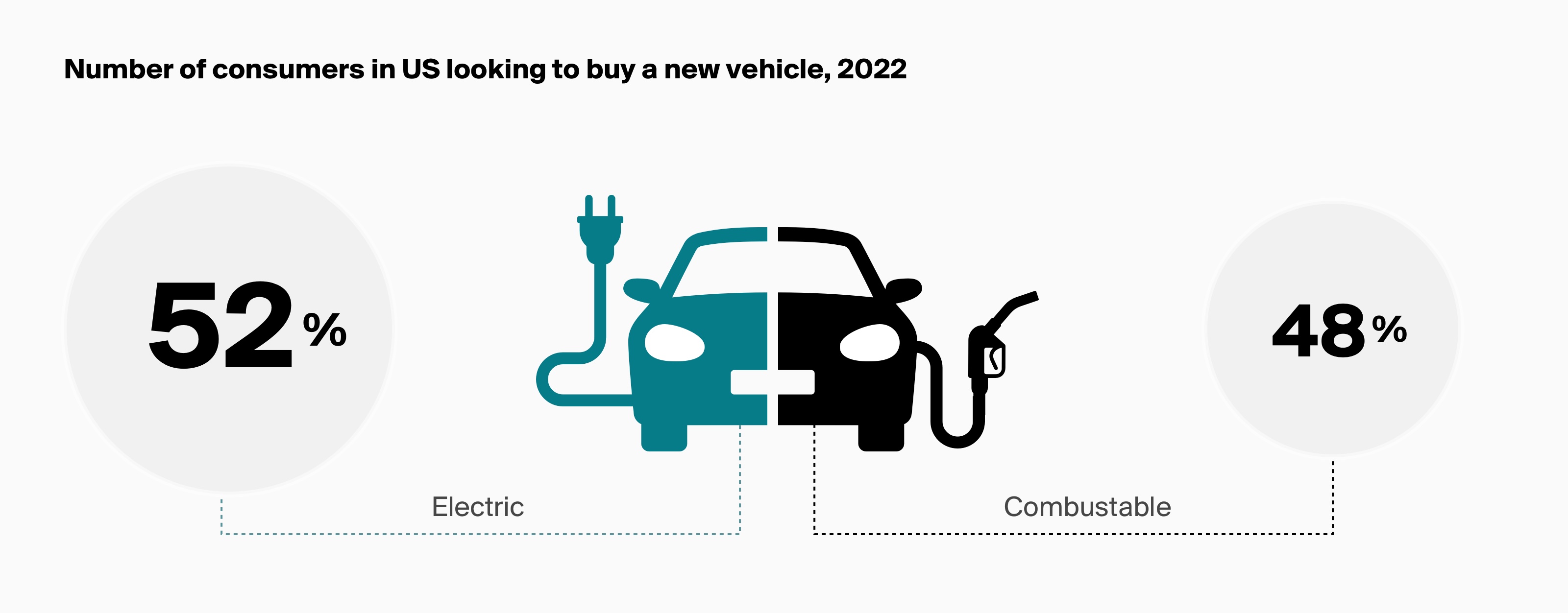
In 2022, the number of US consumers planning to buy an EV rose to 52 percent—passing the halfway point for the first time in history.
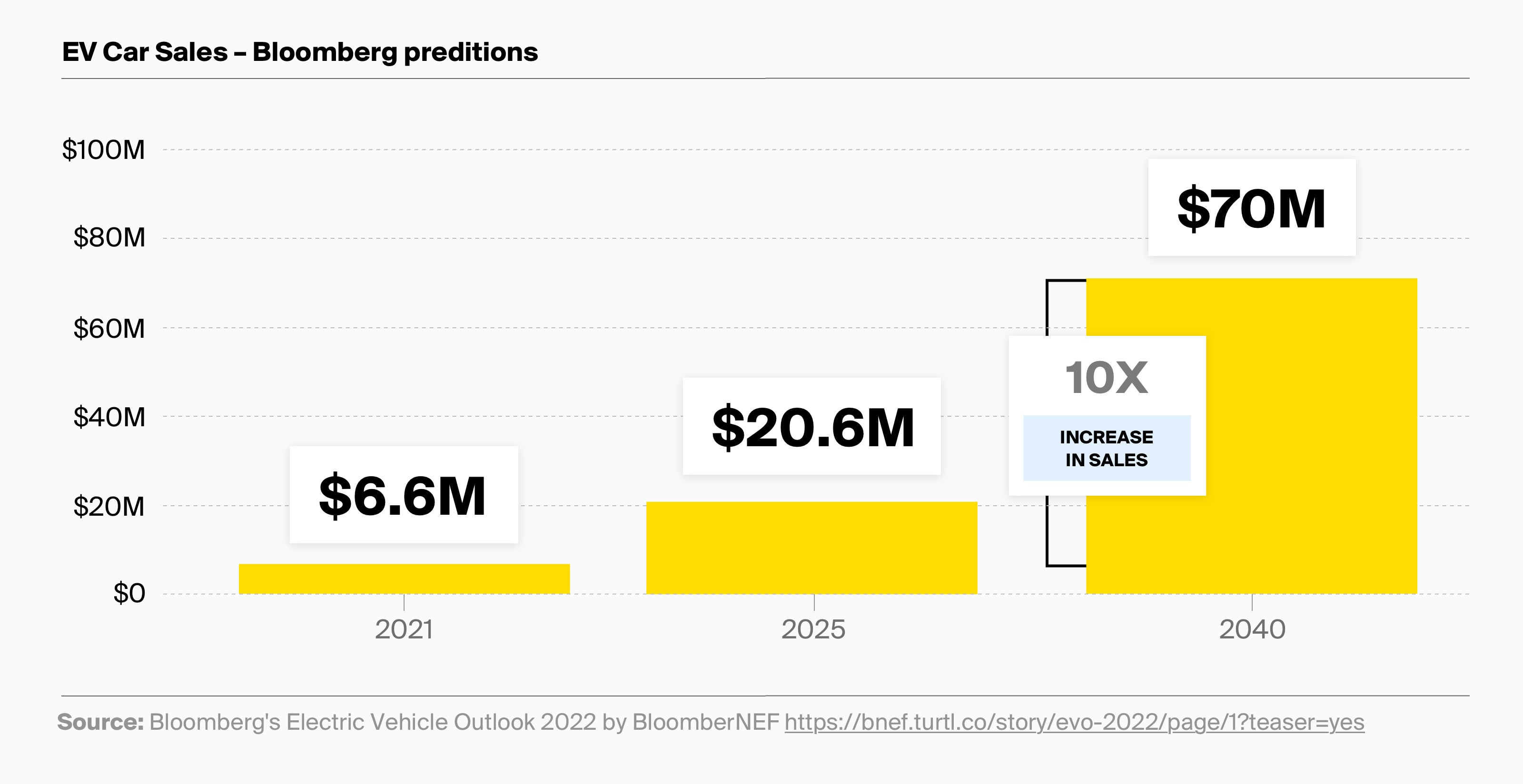
Bloomberg predicts that EV sales will jump from just 6.6 million in 2021 to over 20.6 million by the end of 2025, representing a 204 percent increase. By 2040, the market will reach over 70 million vehicles, more than a 10x increase.
The growing sales numbers will be partly influenced by a better driving experience and superior vehicle performance, but also by increasing government incentives.
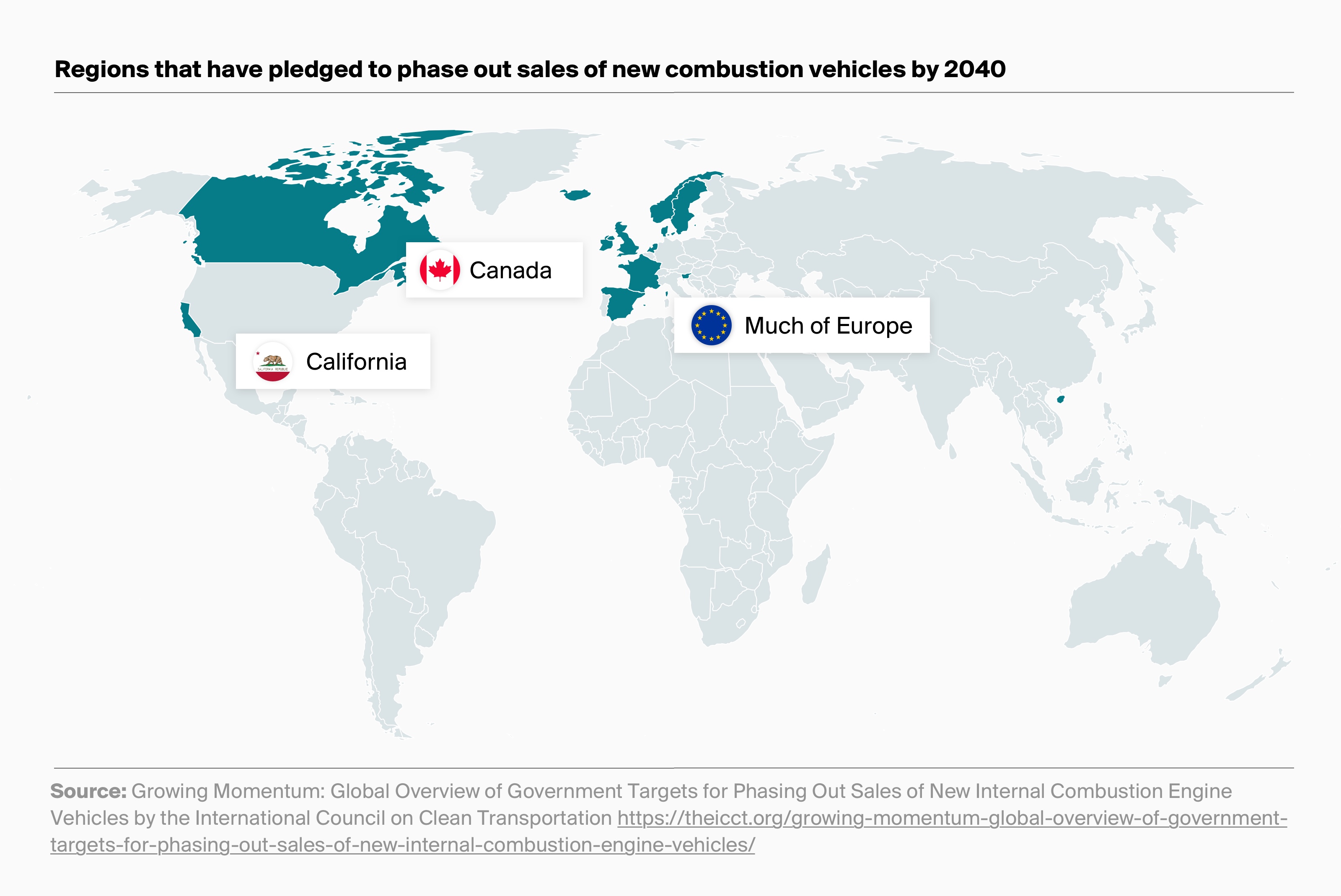
Canada, California, and most of Europe have already signed pledges to completely phase out new combustion-powered vehicles by 2040. Whereas the U.S. supply chain for electric vehicles, critical mineral, and battery components are being buoyed by the Inflation Reduction Act which directly benefits free-trade agreement countries like Canada.
Beyond the IRA, the Biden Administration has committed significant resources to the EV value chain with direct grants to start-ups and robust investments in charging via the Bipartisan Infrastructure Law (BIL). The BIL has allocated $7.5 billion to build a network of EV chargers across the US .
It's no surprise that at this year's COP27 climate conference electric vehicles are a top item of discussion.
Every single one of these newly manufactured EVs will require a lithium battery to operate, and as the market proliferates, the need for batteries with greater range, energy density, and lower cost will continue to grow. Lithium-ion batteries have started the electric revolution, but for the industry to unlock its full potential, better batteries are needed.
Li-Metal is a compelling early-stage investment in a transformative industry with significant momentum, strong fundamentals, and an attractive, simple pitch.
Read on for all the details.
Lithium anode batteries: Cheaper, better, safer
Before going public in 2021, Li-Metal built its business researching, developing, and piloting a set of proprietary production methods of next-generation battery components.
Batteries using new anode technologies, such as lithium metal, are set to be the successor to the traditional lithium-ion batteries now most commonly used in EVs.
There are numerous benefits to these lithium metal anode batteries, including:



-
Higher energy density means longer travel range and more room in electric vehicles
-
Higher specific energy means lower weight and better output, allowing entirely new applications like electric vertical take-off and landing aircraft
-
Higher safety by reducing the amount of lithium inventory in a battery and using new electrolytes
Perhaps most importantly, Li Metal has developed a production strategy that, once fully implemented, management believes will provide all of these benefits at an attractive manufacturing cost.
And, by vertically integrating their production process, producing the raw material lithium metal themselves, for their new anode products, Li Metal removes toxic chlorine gas from the equation, making batteries more sustainable than their existing counterparts.
Meeting an urgent need for new battery supply chains
It's easy to see why next-generation batteries are desirable—or even vital—for our decarbonized future. So if the technology is here, why isn’t it prevalent in the marketplace?
Next-generation batteries depend on supply chains that can materially differ from those of traditional lithium-ion batteries.
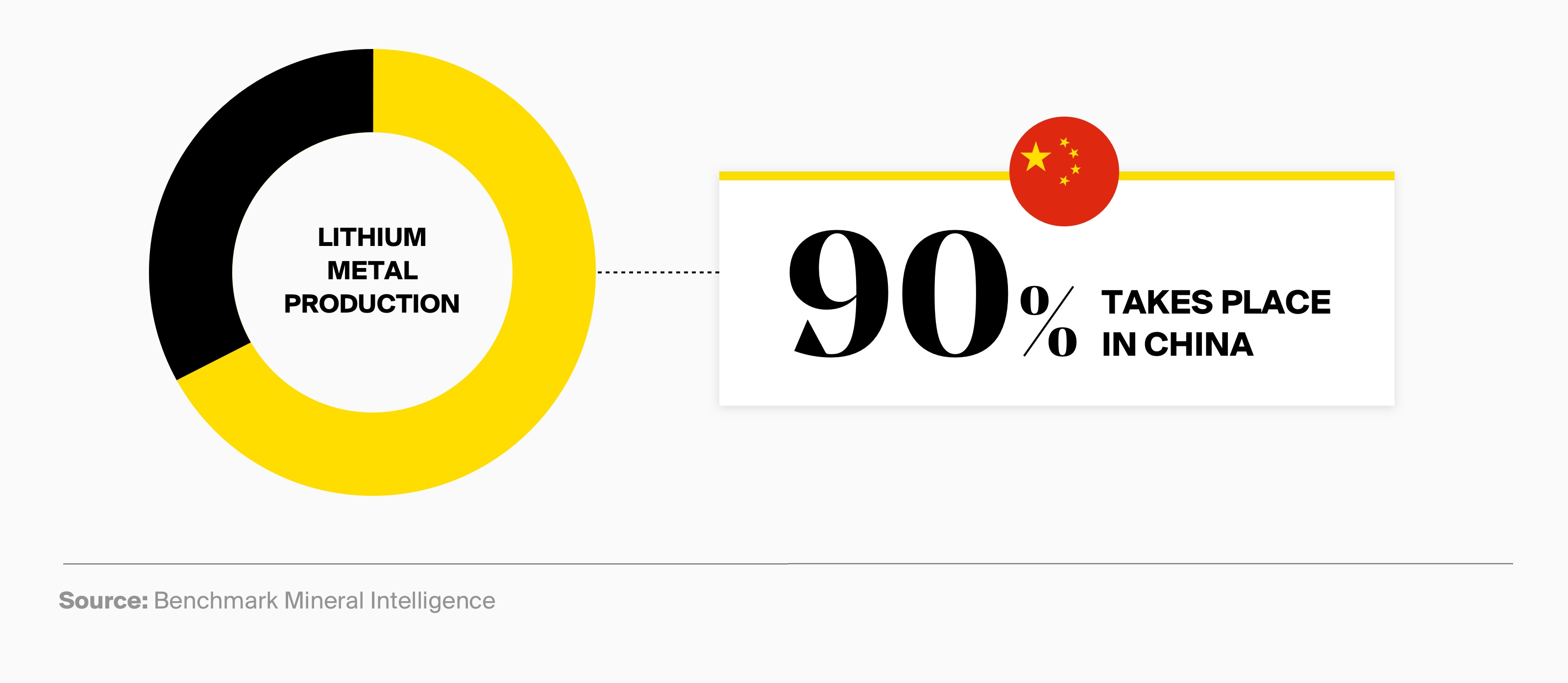
Right now, over 90 percent of lithium metal is produced in China. North American and European markets clearly need a reliable source of domestic lithium production if they are to meet growing demand.
Existing production technologies use lithium chloride as feedstock to produce lithium metal, which results in five tonnes of chlorine gas per tonne of metal produced. Chlorine is both toxic and corrosive, that requires expensive equipment to capture and treat.
The market is seeking cost-effective, scalable solutions for lithium metal and anode production. Li-Metal aims to satisfy this demand.
Li-Metal produces lithium metal through electrolysis, which uses more widely available lithium carbonate as feedstock. In this process, there is no need for costly off-gas treatment equipment.
From there, Li-Metal deposits lithium metal directly onto a substrate to create ultra-thin anodes necessary for the enhanced energy density of next-gen batteries.
Proprietary technologies, a scalable plan, and tangible assets in motion
Of course, none of the metrics or trends discussed above really matter if Li-Metal can't deliver on its promise to produce the low-cost lithium anode batteries of the future.
Luckily, Li-Metal is already quite far along in the process.
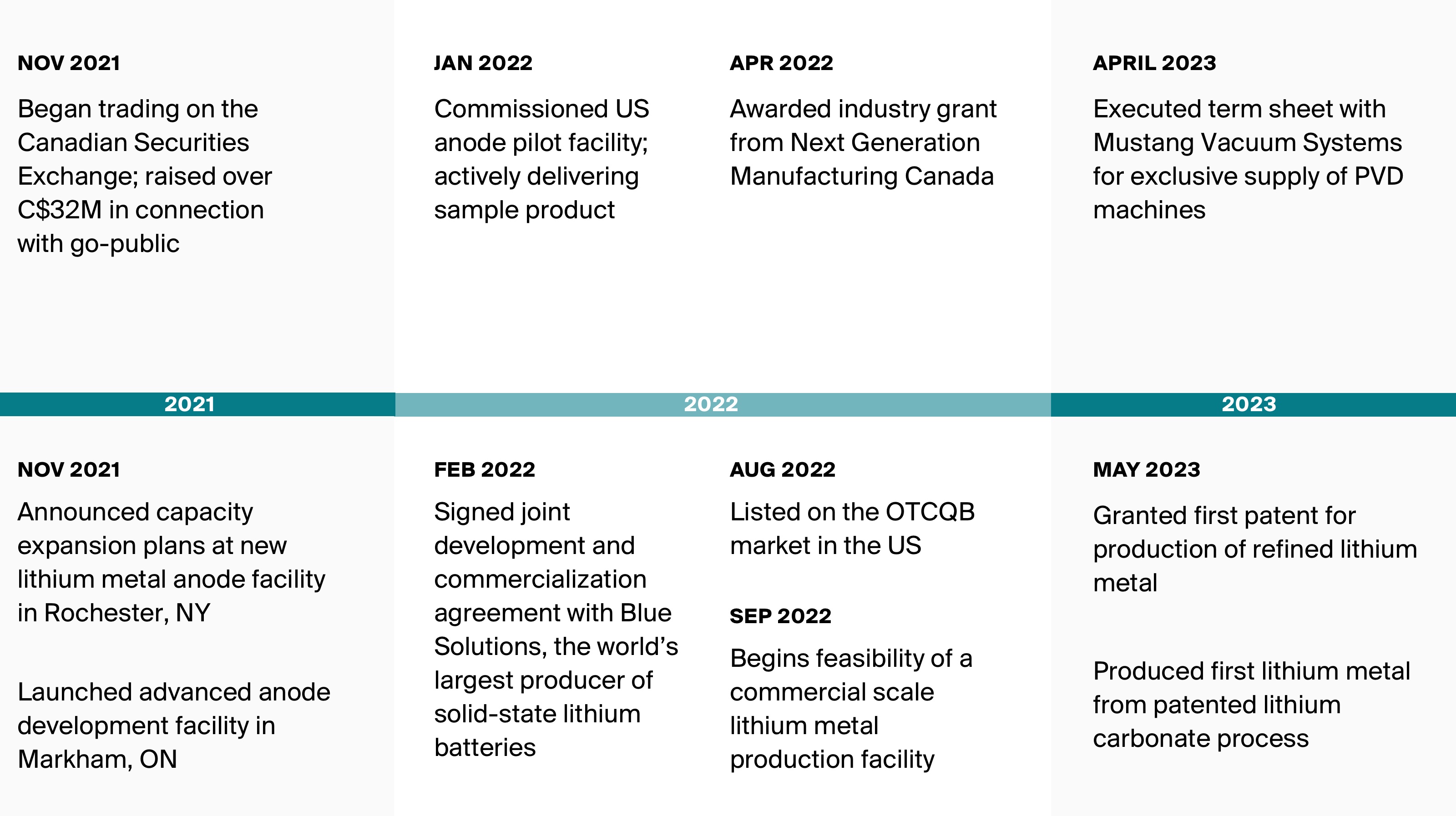
Key to the company's future is its two facilities. First is the company's pilot-scale anode production facility in Rochester, NY, a project that has already come to fruition.
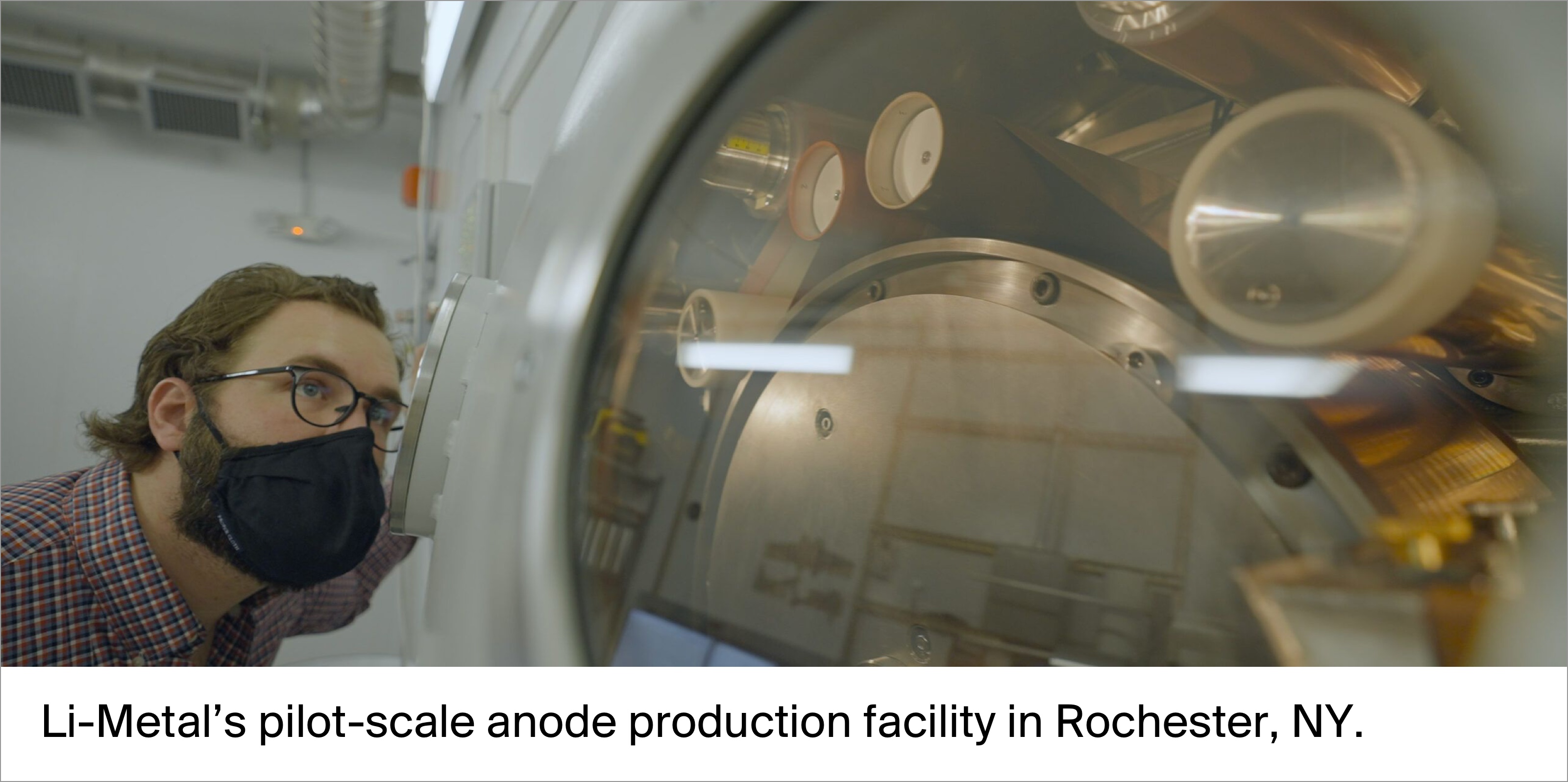
This facility allows Li-Metal to produce high-quality sample anodes to send to battery developers—the first step in forging partnerships toward commercial-scale production operation.
The company added more production capacity at the facility late last year, and it began shipping products to customers in January 2022. In November 2022, Li-Metal’s anode facility reached a new production milestone, producing 3,000 meters of sample anode material, reflecting a 3x increase in volume over the same period in 2021.
The second key facility is Li-Metal's lithium metal commercial-scale pilot facility in Markham, Ontario.
.jpg)
This plant is designed to demonstrate commercial-scale lithium production and will be a key factor as the company aims to enter into full production in the coming years.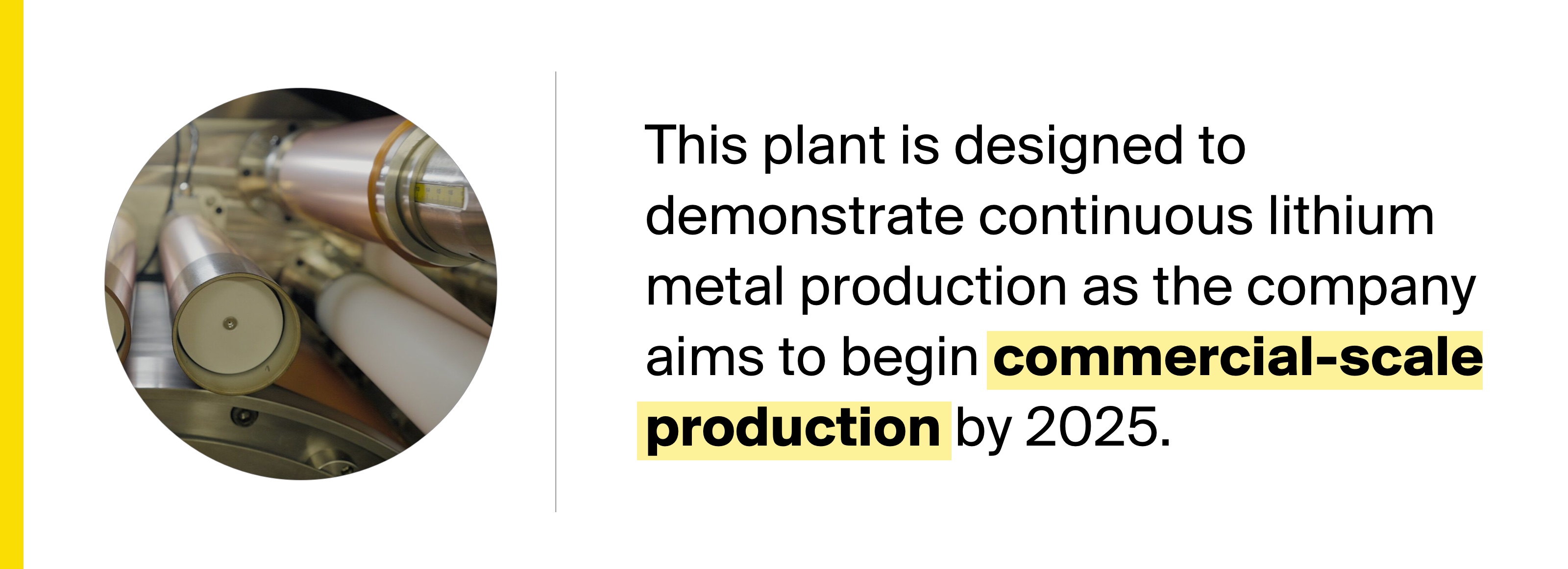
The company has commissioned a feasibility study of the plant and its potential for industrial-scale production, which could substantially legitimize the company's place in this growing market.
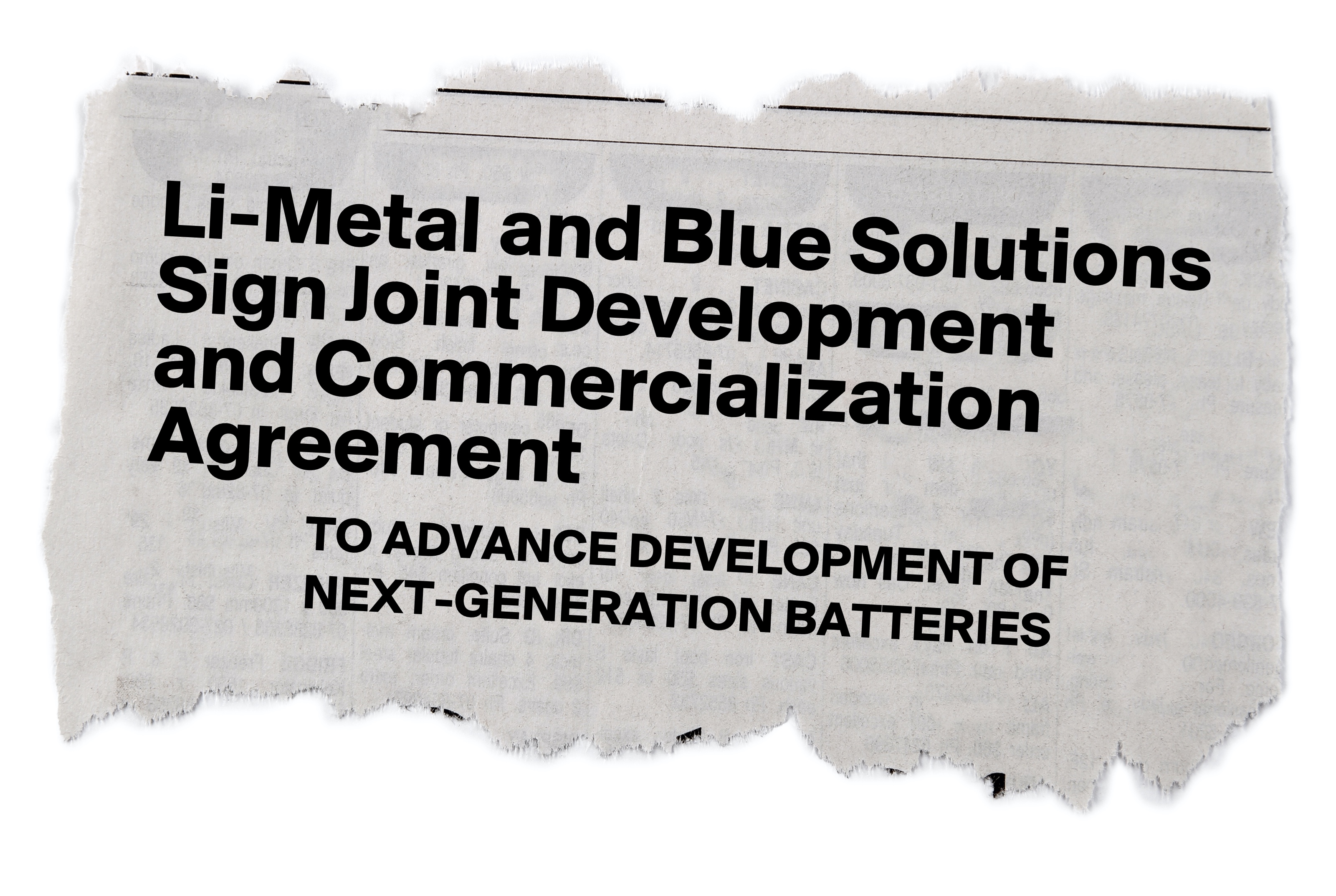
Blue Solutions, the largest commercial manufacturer of lithium batteries on the market, already signed a joint development and commercialization agreement with Li-Metal to produce and sell a solid-state lithium metal battery for applications on every continent in the world.
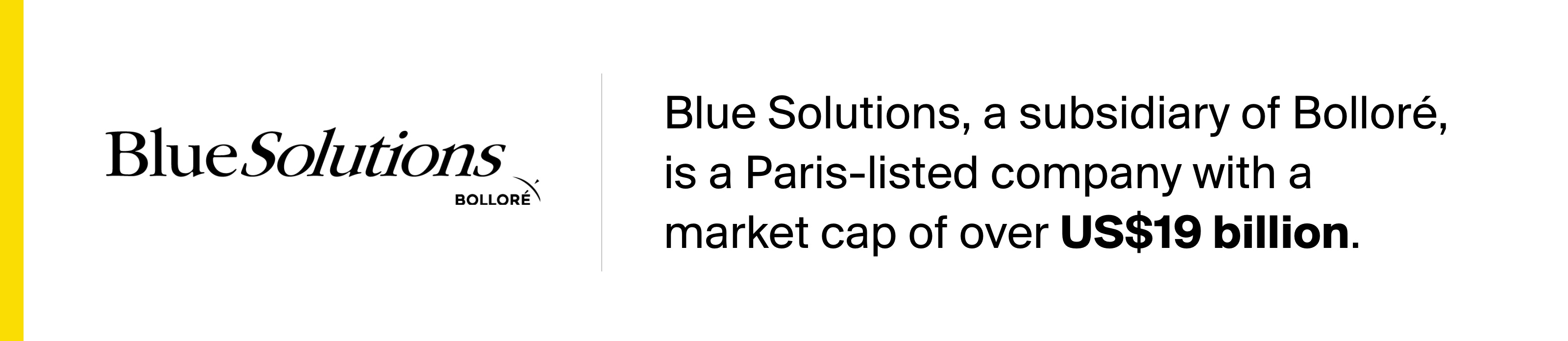
You may not have heard of Blue Solutions. But know that it's a subsidiary of Bolloré, a Paris-listed company with a market cap of over US$19 billion, and a serious player in the market. The company supplies batteries that power Mercedes-Benz's eCitaro electric buses.
It's clear that Li-Metal is not banking on wishful thinking to execute its plans. It is making good on its promises to investors, and steadily rolling out a clear production plan.
Catalysts on the horizon
An investment in a company like Li-Metal is a long-term play on an industry that will mature over the coming half-decade, and Li-Metal is laying a foundation to become a significant actor in the space.
But there are plenty of catalysts to watch out for in the near- and mid-term.
The biggest one is Li-Metal's aim to reach continuous, commercial-scale lithium metal production at its Ontario-based facility. The next step for this is the feasibility study.
Then comes actually achieving that level of production. If Li-Metal is able to successfully execute, it will demonstrate a clear path to the commercialization of its lithium metal business.
Another key catalyst is Li-Metal gaining further strategic partners. The agreement with Blue Solutions was a key moment in the company's strategic history. The company is working to secure other meaningful partnerships, in particular with automotive and battery developers.
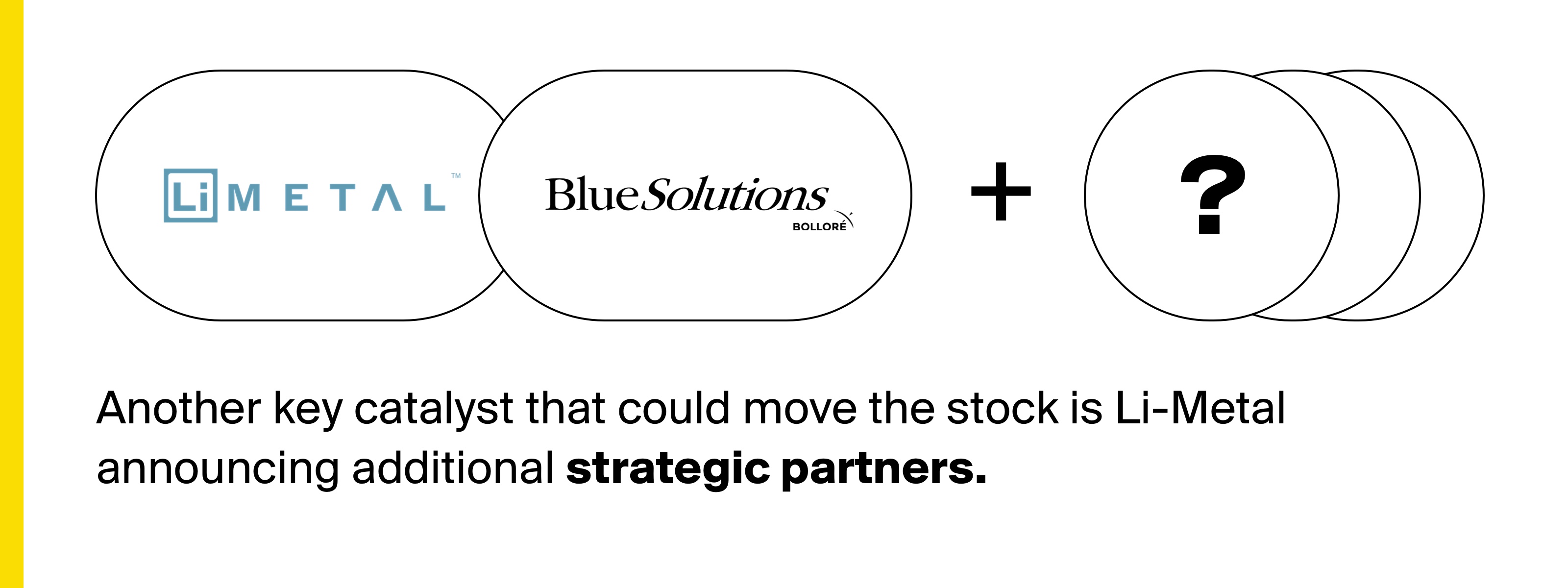
And Li-Metal's team is actively pushing on that front, in conversations with some of the biggest industry player to advance these partnerships, with 27 ongoing automotive and battery developer discussions.
A management team with strong industry knowledge and skin in the game
Li-Metal's C-Suite and Board consists of several industry insiders with years of experience in lithium, battery, and metal production.
The company recently announced the appointment of an experienced lithium industry executive (formerly Albemarle Corp.), Dr. Srini Godavarthy to the role of CEO, bringing more than 20 years of commercial and operational experience to the role with a global leadership background in specialty chemicals and lithium battery materials.
Maciej Jastrzebski co-founder has assumed the role as Chief Technology Officer and has over 15 years of experience in project engineering as well as technology development and commercialization. He was a key developer of several patents held by Barrick Gold related to metal production.
Li-Metal's other co-founder is Tim Johnston, who has worked in the battery industry for over 15 years. He is also the executive chairman and co-founder of the battery recycling company Li-Cycle.
The company also recently added Kunal Phalpher as president. Kunal is an executive with nearly two decades of experience in clean tech, battery materials, and EV sectors. He was recently recognized by Business Insider as a "Power Player" for the EV industry, with an extensive background overseeing business development and commercialization strategy.
Another notable member of the team is Dean Frankel, the company's chief commercial officer. Dean previously led business development at Solid Power and has more than 10 years in the battery industry.
All this experience is great, but it's also essential that management believes in the company they're stewarding. Maciej and Tim are both substantial holders of Li-Metal stock, with 5.2 and 9.6 percent each, respectively.
In total, the management team and Board own around 25 percent of Li-Metal, with retail investors the remaining 75 percent.
This kind of skin in the game is a must-have for us at PrivatePlacements.com.
An ideal early-stage lithium battery opportunity
By investing in the company, you gain exposure to a technology company participating in the momentum of the EV market and a company eager to build real production assets and methods that could become a significant part of the rise of next-generation battery technology.
Li-Metal's story will unfold over the coming half-decade, and while we cannot predict what will happen, we are confident in the company's investment thesis as it stands today.
We're big believers in stories like these, and constant proponents of early-stage actors in transformative spaces.
Li-Metal ticks many boxes: a no-brainer macro story, unique assets that fill a simple supply-and-demand strategy, tangible, concrete plans already in motion, and a management team with abundant experience who have their own money at stake.
To learn more about Li-Metal Corp. (CSE: LIM; OTCQB: LIMFF):
- View the company's investor presentation
- Check out its website
- Subscribe to the company's mailing list for regular updates
Disclaimer: The service and the contents are provided by the sender and other information providers on an "as is" basis. The sender and any and all other information providers expressly disclaim any and all warranties, express or implied any information herein or on PrivatePlacements.com.
PrivatePlacements.com and its owner and its owner's directors, employees, consultants, contractors, agents, and the like ("Representatives"), do not give any tax or investment advice; and do not advocate the purchase or sale of any security or investment. Contents are intended as general information. None of the contents constitutes an: (1) offer to sell or the solicitation of an offer to buy by Blender Media and/or its representatives any security or other investment; (2) offer by PrivatePlacements.com or its owner and/or their representatives to provide investment services of any kind; and/or (3) invitation, inducement, or encouragement by Blender Media and/or its representatives to any person to make any kind of investment decision. You should not rely on the content for investment or trading purposes. Securities or other investments referred to in any of the contents may not be suitable for you, and you should not make any kind of investment decision in relation to them without first obtaining independent investment advice from a person authorized to give it. All communications by PrivatePlacements.com are subject to its terms of use and disclaimer, which can be viewed here and here.